
GRAMMER CZ s.r.o

GRAMMER AG, based in Ursensollen, specializes in the development and production of components and systems for car interiors as well as suspended driver and passenger seats for on-road and off-road vehicles. In the Automotive product area, the company supplies headrests, armrests, center console systems, high-quality interior components and operating elements as well as innovative thermoplastic solutions for well-known car manufacturers and system suppliers in the vehicle industry. The Commercial Vehicles product area comprises the business areas of truck and off-road seats (tractors, construction machinery and forklifts) as well as train and bus seating. GRAMMER operates in 19 countries with around 13,800 employees.
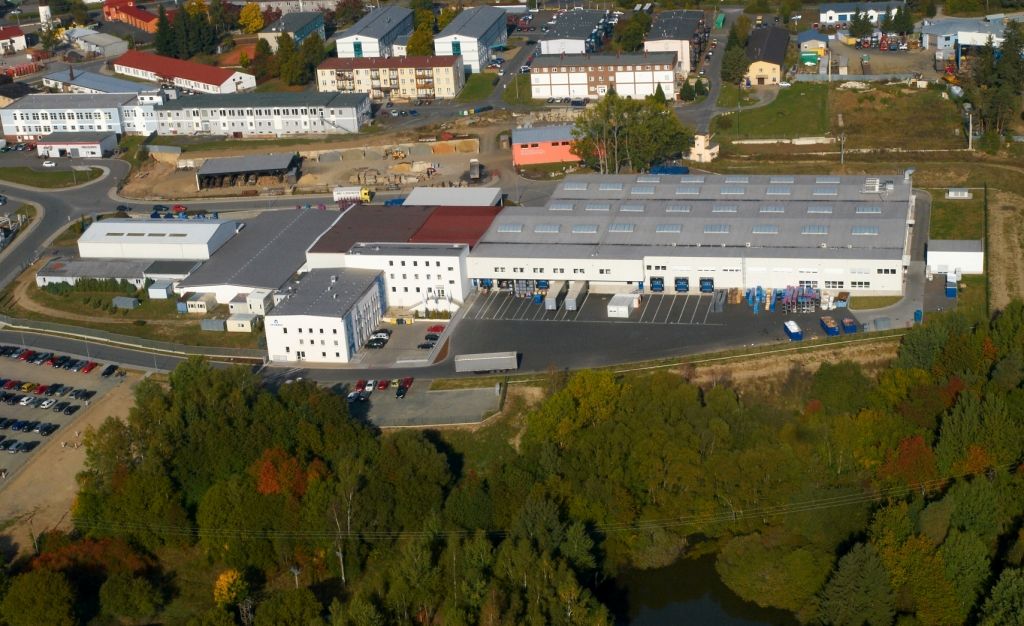
GRAMMER CZ, s.r.o., plant Tachov has been operating in the region since 1998. Currently we assemble seats for trucks and commercial vehicles. We are interested in new production trends and implement them into practice. We support employee training, teamwork and respect the values of the company culture.
Current offer of internships
from GRAMMER CZ s.r.o
Intern - Digitalisation and Automation of Internal Logistics

The internship focuses on the analysis, optimisation, digitalisation and automation of internal logistics processes at the GRAMMER plant in Tachov. The defined project area covers material flows, warehousing and production supply. Based on the findings of the initial analysis, the scope and priorities may be refined in cooperation with the student and the responsible departments.
Main activities
- Map and analyse current internal logistics and warehouse processes, including material and information flows.
- Identify bottlenecks, unnecessary handling, waiting times, space constraints, data gaps and opportunities for process standardisation.
- Evaluate the use of warehouse space, material locations, inventory movements and the supply of production lines.
- Propose digital solutions for material identification, tracking, data collection, visualisation and operational reporting.
- Assess suitable automation options, such as AGV/AMR applications and other material-handling technologies.
- Work with available tools and data sources, which may include SAP, WMS, Microsoft Excel, Power BI, barcode or RFID solutions and other plant technologies, depending on the project and the student's capabilities.
- Prepare solution variants and evaluate their operational benefits, feasibility, expected impact and implementation requirements.
- Cooperate on the preparation, pilot verification and implementation of the selected solution or improvement measures.
- Document the results and present recommendations and achieved outcomes to the relevant stakeholders.
Expected outcomes
- A documented current-state analysis and a clearly defined improvement opportunity.
- A proposal for digitalisation and/or automation of the selected logistics process, including an implementation approach.
- Participation in pilot testing or implementation, where feasible within the internship period.
- A final evaluation of the solution, lessons learned and recommendations for further development.
Financial remuneration: Financial remuneration will be agreed individually.
Accommodation: The company will assist the selected student in finding suitable accommodation.
Candidate profile
- Interest in logistics, industrial engineering, smart manufacturing, digital technologies and process improvement.
- Good working knowledge of Microsoft Excel is required; experience with Power BI, databases, programming, process mapping, simulation or CAD is an advantage.
- Basic English is sufficient when combined with Czech; applicants who do not speak Czech should have an advanced level of English.
- Analytical thinking, initiative, willingness to work in a production environment and the ability to cooperate across departments.
- A driving licence is useful for commuting to the plant but is not required for the internship activities.